

When to Start Brushing Baby Teeth | Tips for Parents

Category: Child Health · Dental Care | Reading Time: 6 - 8 minutes

Introduction

For many parents, a baby’s first tooth is a milestone worth celebrating. That tiny white speck brings smiles, photos, and often… a lot of questions

When should I start brushing?
Do babies really need dental care this early?
Is toothpaste safe for infants?

If you’re a parent navigating early childhood care, understanding baby oral hygiene is more important than it may seem. Tooth decay can begin as soon as the first tooth appears and early habits play a major role in lifelong dental health.

This guide will walk you through when to start brushing baby teeth, how to do it safely, and when to consult a pediatric dentist in Dindigul for expert care.

When Do Baby Teeth Start Appearing?

Most babies begin teething between 4 to 7 months of age, although this can vary. The first teeth to appear are usually the lower front teeth (central incisors), followed by the upper front teeth. By the age of 3, most children will have their full set of 20 primary (milk) teeth.

Important: Dental care doesn’t start after all teeth come in, it starts much earlier.

When Should You Start Brushing Baby Teeth?

The answer is simple: Start cleaning your baby’s mouth even before the first tooth appears.

Here’s how it works in stages:

0–6 Months (Before Teeth Erupt)
  • Use a soft, clean cloth or gauze
  • Gently wipe your baby’s gums twice a day
  • This removes milk residue and bacteria
6–12 Months (First Tooth Appears)
  • Start using a soft-bristled baby toothbrush
  • Use a tiny smear of fluoride toothpaste (rice-sized amount)
  • Brush gently twice a day
1–3 Years
  • Continue brushing twice daily
  • Increase toothpaste to a pea-sized amount after age 3
  • Begin teaching your child to spit (not swallow toothpaste)
Early brushing is not just about cleanliness, it’s about building habits and preventing early childhood cavities, also known as baby bottle tooth decay.

Why Is Early Dental Care Important?

Many parents assume milk teeth are temporary, so they don’t need much care. That’s a common misconception.
Healthy baby teeth are essential for:
  • Proper chewing and nutrition
  • Speech development
  • Guiding permanent teeth into position
  • Preventing infections and pain
Untreated dental issues in children can lead to discomfort, difficulty eating, and even affect overall growth. This is why early intervention through pediatric dental care in Dindigul is strongly recommended.

Signs of Early Tooth Problems in Babies

Even very young children can develop dental issues. Watch for:
  • White or brown spots on teeth
  • Sensitivity while feeding
  • Swollen or bleeding gums
  • Persistent bad breath
  • Irritability during eating
These may indicate early decay or gum issues. If you notice any of these signs, it’s best to consult a pediatric dentist in Dindigul at the earliest.

Tips for Brushing Your Baby’s Teeth

Brushing a baby’s teeth can feel challenging at first, but with the right approach, it becomes easier.

1. Choose the Right Toothbrush: Use a small-headed, soft-bristled brush designed for infants.

2. Use Minimal Toothpaste: Too much fluoride can be harmful if swallowed. Stick to recommended quantities.

3. Make It a Routine: Brush twice daily, once in the morning and once before bedtime.

4. Position Matters: Sit your baby on your lap or cradle their head for better control and visibility.

5. Be Gentle; Baby gums are sensitive. Use soft, circular motions.

6. Avoid Sugary Feeding at Night: Putting babies to sleep with milk bottles increases the risk of tooth decay.

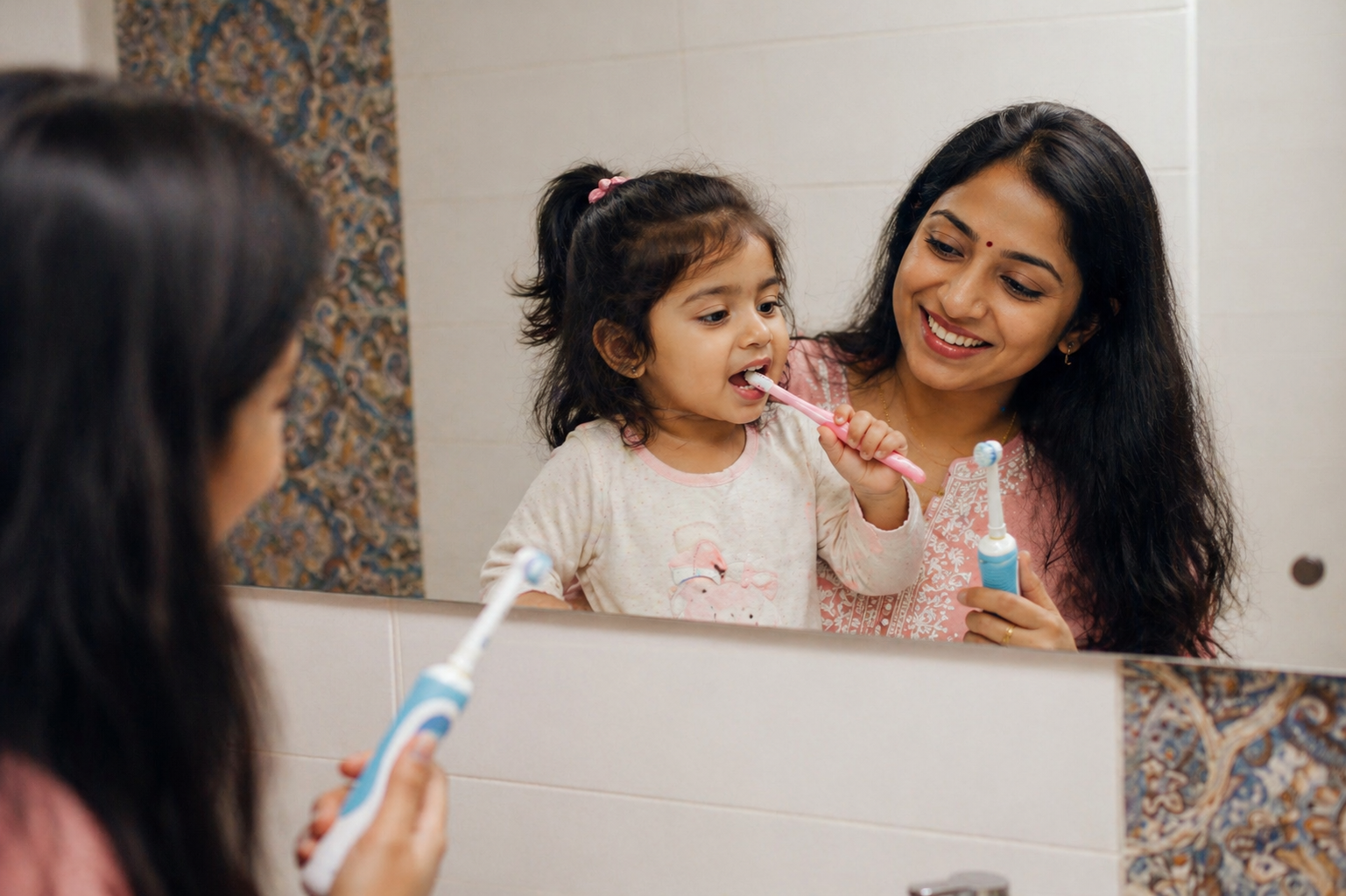
7. Lead by Example: Children learn by imitation. Let them watch you brush your teeth.

When Should You Visit a Paediatric Dentist?

The first dental visit should happen by your child’s first birthday or within 6 months of the first tooth appearing.

Early dental visits help in:
  • Checking tooth development
  • Identifying early signs of decay
  • Guiding parents on oral hygiene
  • Preventing future dental issues

If you’re looking for a hospital for pediatric dental treatment in Dindigul, choosing a facility with experienced child specialists makes a significant difference.

Common Mistakes Parents Make

Even with the best intentions, parents often make small mistakes that can affect a child’s dental health.
  • Starting brushing too late
  • Using too much toothpaste
  • Letting babies sleep with milk bottles
  • Ignoring early signs of decay
  • Skipping regular dental check-ups
Correcting these early can help avoid more serious dental treatments later.

How Diet Impacts Baby Teeth

Oral health is not just about brushing, diet plays a major role.
Foods That Support Healthy Teeth
  • Fresh fruits (banana, apple mash)
  • Vegetables
  • Calcium-rich foods (curd, milk)
Foods to Limit
  • Sugary snacks
  • Packaged juices
  • Sticky foods
Frequent sugar exposure is one of the leading causes of early childhood cavities.

Choosing the Right Dental Care in Dindigul

When it comes to your child’s dental health, choosing the right care provider matters. At Srii Amogam Hospital, we understand that a child’s first dental experience shapes their attitude toward oral health for life. Our dental health services in Dindigul are designed to be safe, gentle, and reassuring for both children and parents.

Our Services Include:
  • Infant oral health assessments
  • Preventive dental care
  • Treatment for cavities and gum issues
  • Guidance for parents on brushing and nutrition
  • Child-friendly dental environment

As the best children’s dental clinic in Dindigul, our focus is on early prevention, comfort, and long-term dental health.

Parent Checklist for Baby Oral Care

Use this quick checklist to stay on track:
  • Clean gums daily before teeth appear
  • Start brushing as soon as the first tooth erupts
  • Use age-appropriate toothpaste
  • Schedule first dental visit by age 1
  • Monitor for early signs of decay
  • Maintain a healthy, low-sugar diet
Consistency matters more than perfection.

Final Words

Starting early is the key to healthy smiles. Brushing your baby’s teeth may seem like a small step, but it has a lasting impact on their overall health and confidence. With the right habits, regular dental visits, and guidance from experts, you can prevent most common dental problems before they even begin. If you’re looking for oral health treatment in Dindigul, take a few minutes today to evaluate your child’s oral care routine and make small improvements where needed. And if you’re unsure where to start, professional guidance can make all the difference. Give your child the best start to lifelong dental health.

Frequently Asked Questions

Yes, but only a rice-sized amount of fluoride toothpaste for children under 3 years.

Start slow, make it playful, and be consistent. Over time, babies adapt to the routine.

Twice daily, morning and before bedtime.

Yes. Early visits help prevent issues and ensure proper dental development.